Published
Dec. 13, 2023 3:19 PM
The number of included screening patients in the OperA WP 1, the ACCEPT trial, is increasing steadily each month.

The number of included screening patients in the OperA WP 1, the ACCEPT trial, is increasing steadily each month.
The ACCEPT team, part of the UiO OperA EU project, published a paper this week in the Lancet Gastroenterology and Hepatology that may generate controversy in the field of AI and colonoscopy.
PhD fellow Natalie Halvorsen published a paper on AI-assisted colonoscopy in this week's Endoscopy journal. The paper investigates the cost-effectiveness of leaving harmless polyps in the colon when adding AI as a decision-making tool.
In The Lancet Gastroenterology & Hepatology, Kate Wooldrage and colleagues present an update about the long-term effects of sigmoidoscopy on colorectal cancer incidence and mortality. Professor Michael Bretthauer and assoc. prof. Nastazja Pilonis dive deeper into the matter in a linked editorial.
Professor Yuichi Mori at the Clinical Effectiveness Research Group joins leading scientific journal Endoscopy as co-editor.
This years’ international conference by the European Society of Gastrointestinal Endoscopy (ESGE) had several highlights for the Clinical Effectiveness Research Group; presentation of groundbreaking research, an award, and TV shows.
A new, large scale systematic review and meta analysis found that AI tool used in colonoscopy increased the endoscopist's ability to detect colorectal polyps.
Professor and gastroenterologist Michael Bretthauer is awarded the UEG Research Prize 2023, a prestigious honor given by the leading authority for gastroenterology and digestive health in Europe.
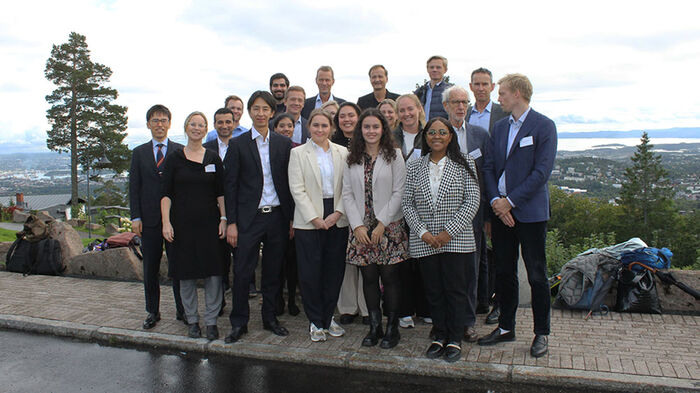
The new EU-funded flagship project presented project partners and work packages on September 13. OperA is a 5-year project to improve colorectal cancer care by artificial intelligence.
Dr. Yuichi Mori at the Clinical Effectiveness Research Group will lead a large new research project that aims to find solutions for clinical validation of artificial intelligence. The goal is to improve the diagnosis and therapy of colorectal cancer and polyps.